

Your kind of home.
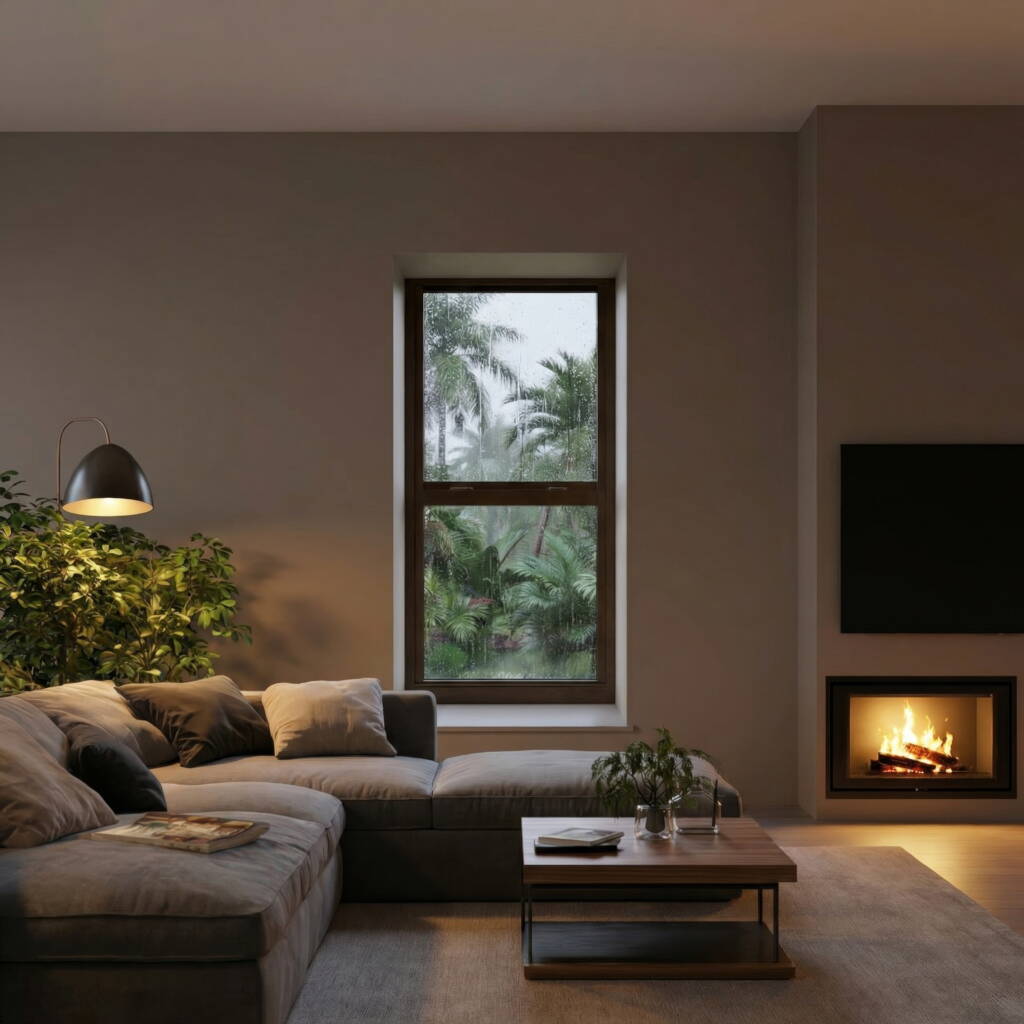
Single Hung
A familiar silhouette. A lower sash that slides upward. A considered starting point for bedrooms and the spaces you use every day.
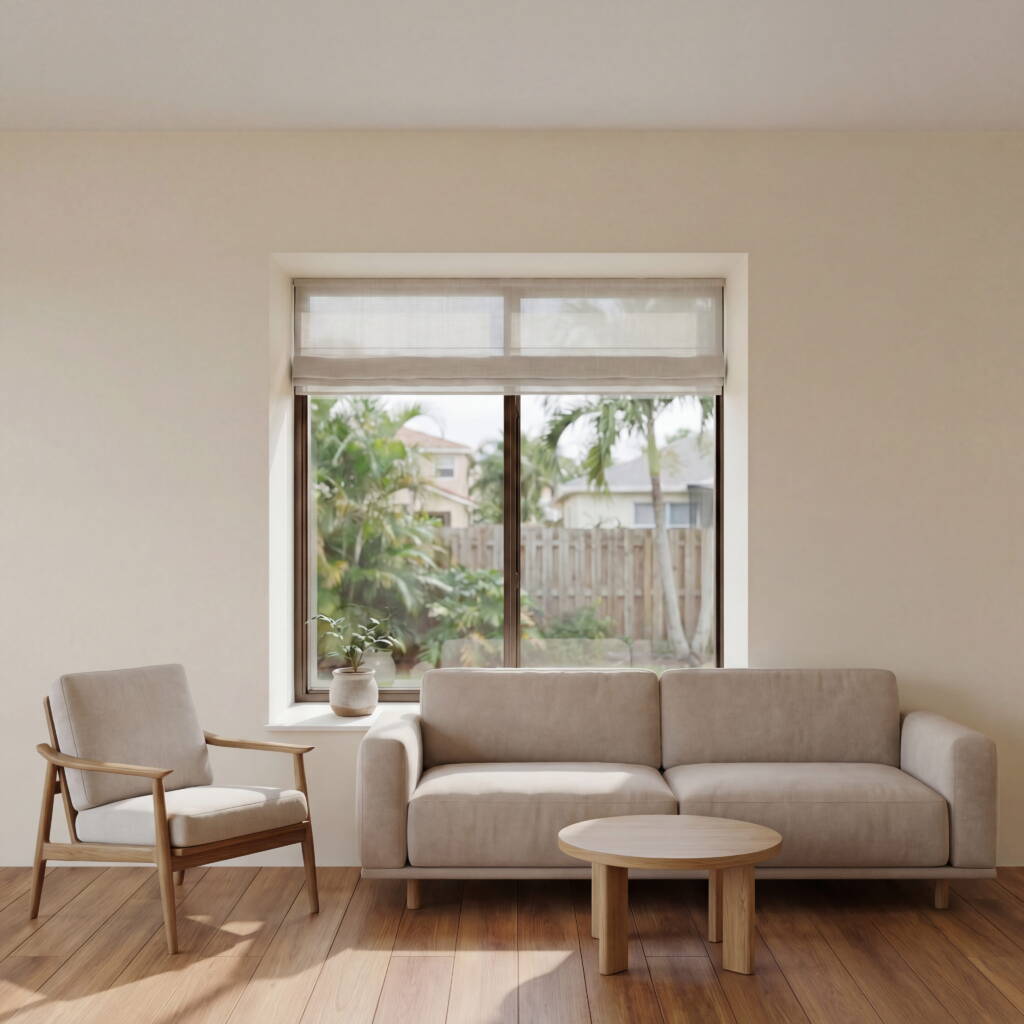
Horizontal Rolling
A generous view with a simple side-to-side motion. Explore a window that feels at home in wider spaces.
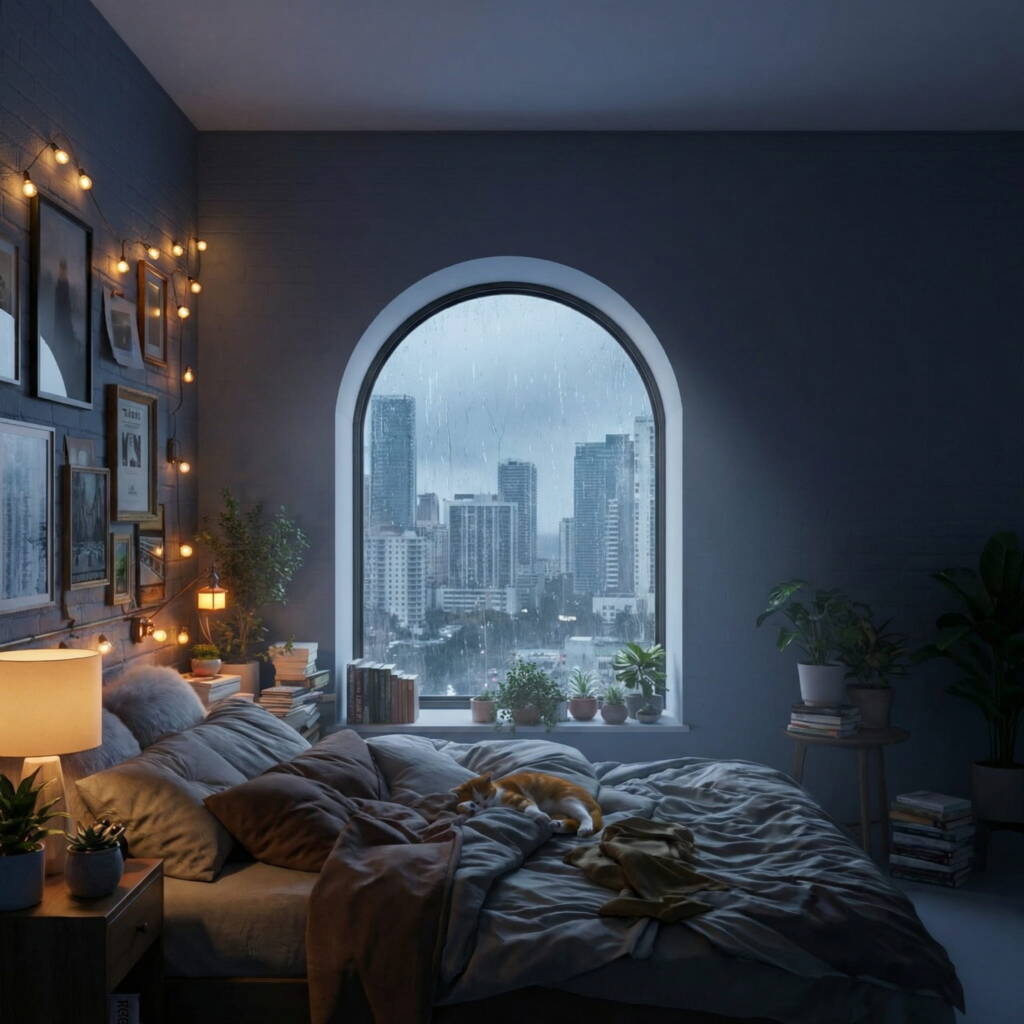
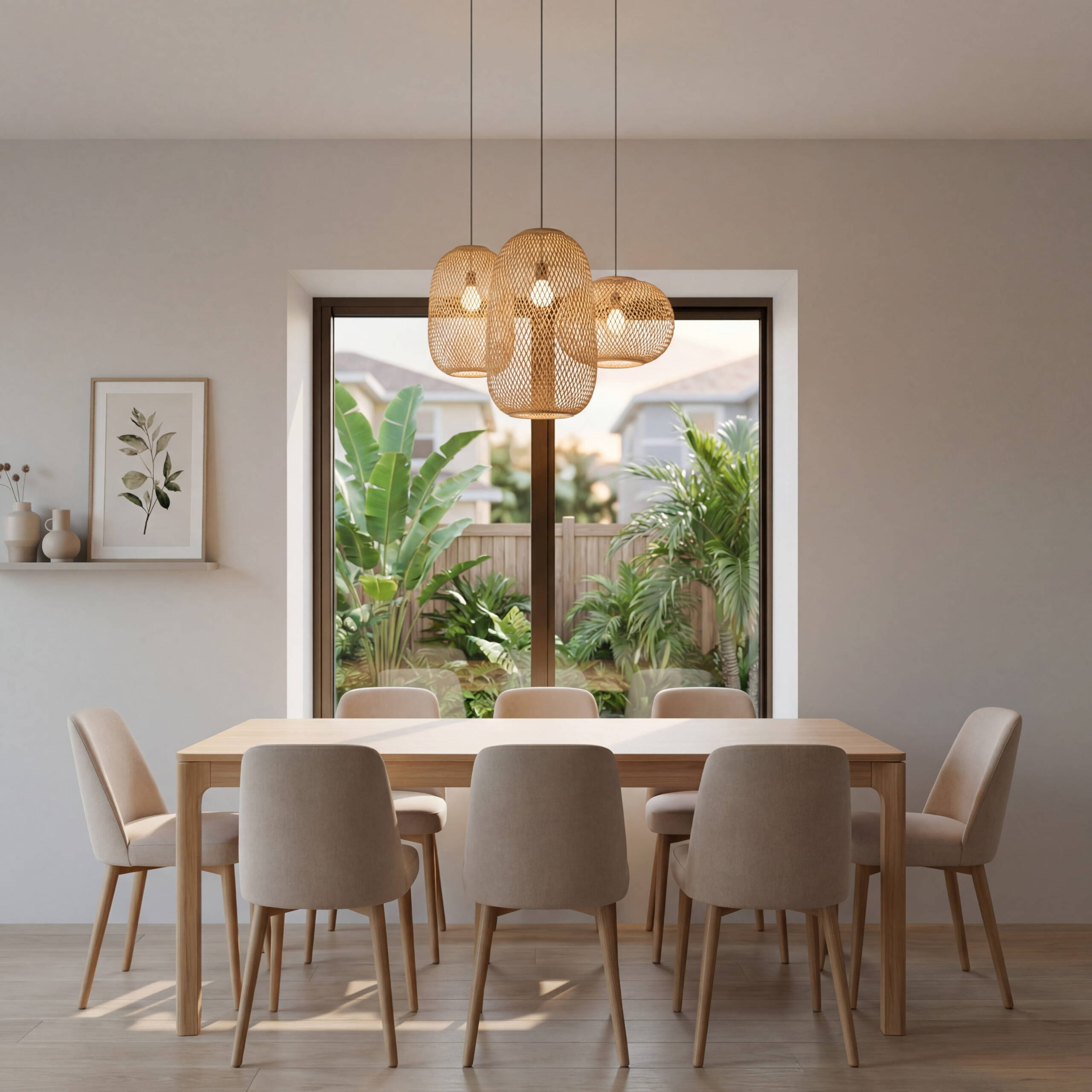
Fixed Picture
Clean sightlines. Natural light. A window that turns the outdoors into part of your room.
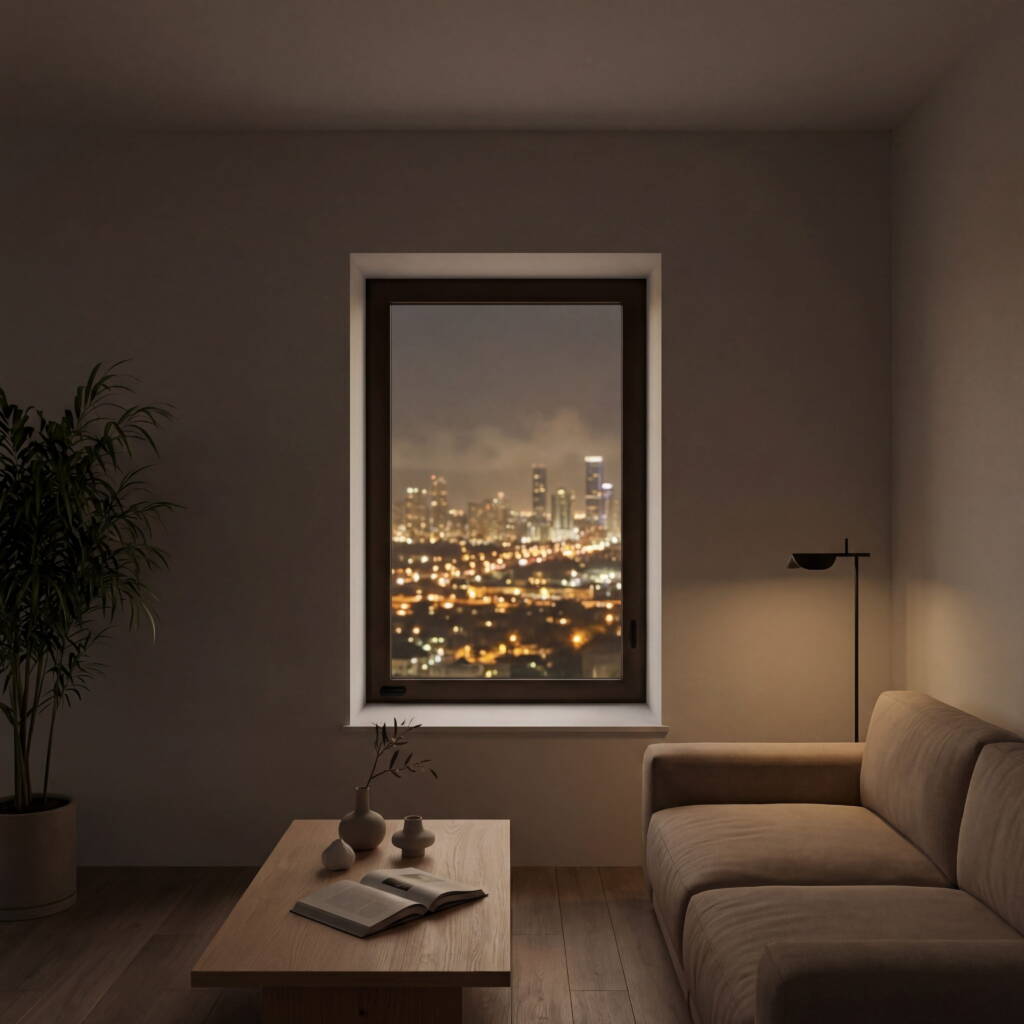
Casement & Awning
Distinctive hinged openings with a clean profile. Find the right balance of light, airflow and everyday operation.
Find your way
to the right style.
Work from the room’s needs to the opening style, then to the specific product.
IN THIS GUIDE
Begin with the way the room is used
Before choosing a window, write down what matters in that room. You may want an open view from a dining table, an opening you can reach comfortably or a shape that balances a broad wall. These priorities make it easier to compare styles without becoming distracted by a photograph that belongs to a different type of space.
Look at the room with the furniture in place. Consider the route to the window, the height of the sill and how the opening relates to curtains or blinds. Take a photo from the position where you normally sit or stand. This often communicates the practical problem more clearly than a close-up of the existing frame.
Compare vertical, horizontal and hinged operation
Single hung windows use a lower sash that moves upward. Horizontal rolling windows move sideways along a track. Casement and awning windows use hinges, with different hinge positions. Think through the movement of each style and how you would operate it in your actual room.
Ask to identify the moving and fixed parts of the proposed configuration. The arrangement shown in a general category image may not be the same as the product you select. Where a sash opens outside the frame, discuss the clearance around paths, planting, screens and other exterior features.
Do not make the decision from the closed appearance alone. The way you reach the hardware, open the window and access it for care matters over time. Bring those questions into the selection conversation before the dimensions and finishes are finalized.
Decide where a fixed view makes sense
Fixed picture windows do not open, so their role is different from the operable styles. They can be considered where the outlook is the main priority, but the room's ventilation and other opening needs still require planning. Discuss those needs with the project team before confirming a fixed arrangement.
You can also compare a combination of fixed and operable windows. Consider the overall frame pattern and the relationship between adjacent units rather than judging each window separately. The aim is to create a coordinated selection that works for the room as a whole.
Use the fixed picture page to explore the design direction, then return to the exact model and configuration for dimensions and documents. An inspiration image is a starting point for a conversation, not a substitute for the proposed specification.
Keep appearance and specification in the same conversation
Frame finish, glass appearance and the position of divisions all influence the finished look. Review them together, particularly where several windows are visible on the same wall. If privacy is a concern, explain the room and sightlines so the team can discuss the options available for the selected product.
At the same time, keep a record of the manufacturer, model, dimensions and opening configuration. The style name describes a category; it does not establish the performance or options of every product in that category. Use the corresponding documents and complete specification when making the final comparison.
Make a useful shortlist for your project
Choose one or two suitable styles for each room and note why you are considering them. Add a photograph and identify any access or appearance concerns. This is enough to make the next conversation productive without deciding every technical detail yourself.
If you are ready to buy a specified product, follow the style page to the available models. If you need help with measurement, selection or installation, bring the shortlist to a project enquiry. The selected product and the work at your property should be confirmed together before you commit.
Your project shortlist
- View and ventilation priorities
- Comfortable access to the hardware
- Interior and exterior clearance
- A model-level specification
Can I mix window styles in the same home?
Yes, a design can combine different opening styles. Review the arrangement, finishes and proportions as a whole, and have the suitability of each proposed window checked for its room and opening.
Does a style tell me the exact performance?
No. Use the documentation for the manufacturer, model and configuration you are considering. Avoid transferring performance claims from one product to every window with a similar opening style.
What should I bring when asking for help?
Share room names, photographs, your property location and the features you want to improve. Explain whether you need a product purchase or a project that also includes installation.
Your next good question.
Let’s find the right fit for your home.
Share your ideas. Find your windows. Let’s plan your next step.

